
Why Diet Culture Teaches Us to Shrink and Why Taking Up Space Is Powerful
By Katherine Metzelaar, RDN, CD
Diet culture has a very particular definition of empowerment. It tells you that shrinking yourself physically, emotionally, and socially is what makes you strong. You hear the message everywhere: be smaller, be quieter, be easier, be disciplined. Take up less space and you will finally feel powerful.
But for anyone healing their relationship with food or their body, this message is not only misleading. It is harmful. And it keeps you from stepping into the fullness of who you are.
Before going any further, I want to acknowledge something important. For many people, taking up space has not always felt safe. If you have experienced trauma, oppression, racism, fatphobia, ableism, sexism, or situations where shrinking yourself protected you, your survival strategies were wise. This conversation honors that truth. This blog is not a dismissal of your lived experience. It is an exploration of what becomes possible when you no longer have to survive in the same ways you once did.
How Diet Culture Benefits When You Stay Small
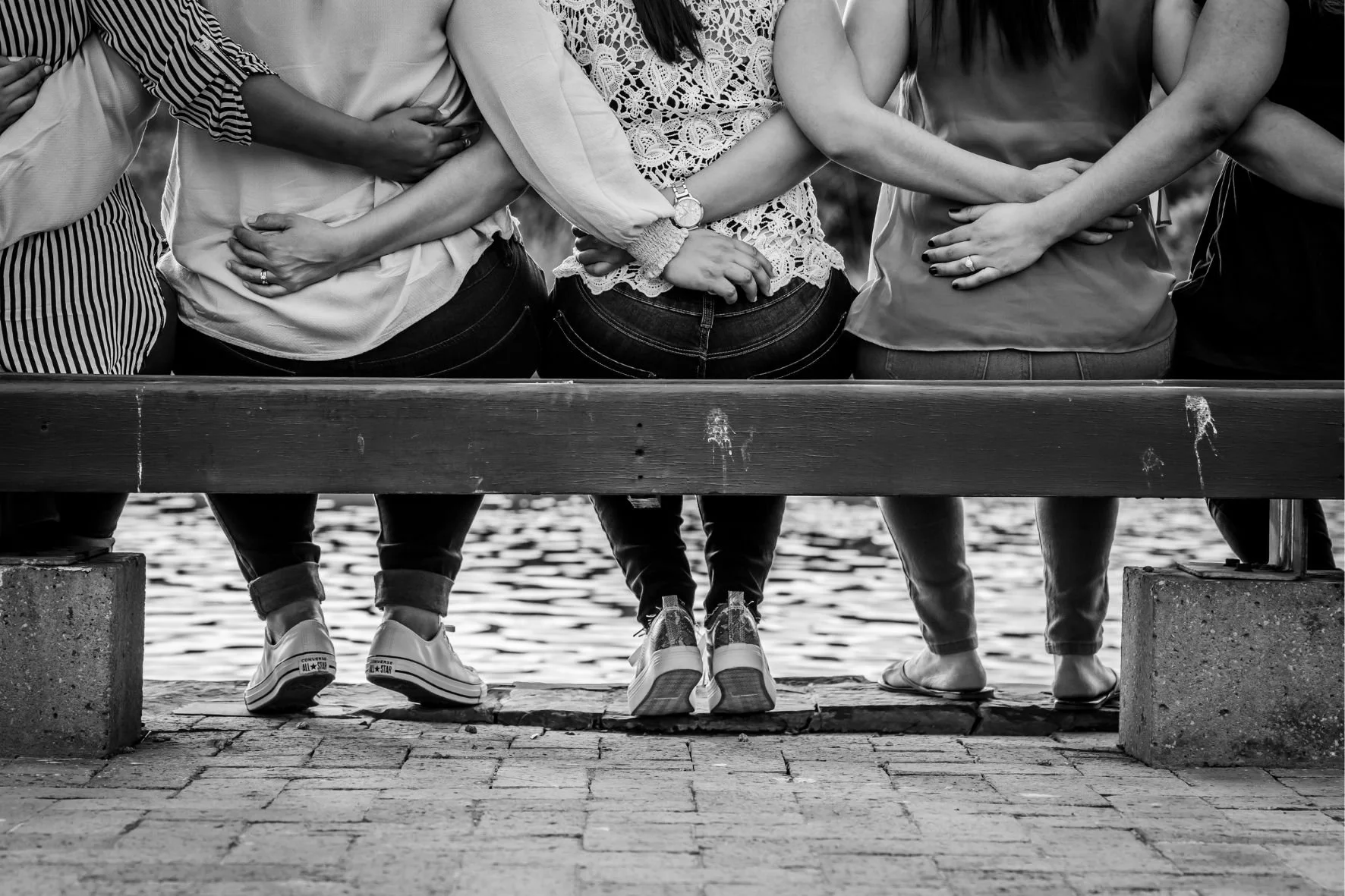
Diet culture is not an isolated system. It exists inside structures of power. When you spend your time worrying about shrinking your body instead of questioning the systems that taught you to, someone benefits. And it is not you. Shrinking yourself benefits weight-loss industries, the beauty and wellness economy, fitness culture built on guilt, patriarchal norms, white supremacy, and any system that profits from your self-doubt. When your mental energy is consumed by self-surveillance, you have less energy to take up space in your life. Less energy to question what you have been taught. Less energy to disrupt the systems that made you feel small in the first place. And social media has only amplified these pressures, especially with the rise of GLP-1 content and a renewed push toward thinness that can make taking up space feel even more threatening.
The Lie: Shrinking Yourself Equals Power
Diet culture loves to rebrand suffering as empowerment. Hunger becomes dedication. Exhaustion becomes discipline. Constant self-criticism becomes motivation. Obsessive control becomes health. Shrinking becomes success. But none of this is empowerment. It is disconnection. It is fear. It is control dressed up as self-improvement.
The Truth: Taking Up Space Is Power
There is nothing empowering about starving, punishing, or shrinking yourself. Real empowerment comes from the opposite.
Empowerment is feeding yourself enough.
Empowerment is allowing your body to take up the space it needs.
Empowerment is refusing to apologize for your existence.
To exist in your body without trying to change it, especially if you are a woman, queer, trans, fat, Black, brown, or disabled, is not a small act. It is a radical one.
Taking up space is an act of resistance. It is a refusal to participate in your own erasure. Every time you choose nourishment, compassion, comfort, rest, or honesty over the rules of diet culture, you reclaim power that was taken from you.
“You take your power back every time you allow your body to exist without apology.”
Why Recovery & Healing Often Include Expansion
Recovery and healing is not about making yourself smaller. Recovery and healing is about making your life bigger. Your body may expand as it heals. Your hunger may return. Your needs may rise to the surface. Your voice may grow stronger. This expansion can feel alarming, especially if you learned to equate smallness with safety. But expansion is not a problem. It is a sign that your body is coming back to life. You cannot build a liberated relationship with your body inside the confines of shrinking.

Reflection Questions for Reclaiming Your Space
If you feel afraid of expanding in body, voice, energy, appetite, or presence, ask yourself the following. These questions are not meant to rush you. They are meant to open a door.:
Where did I learn that taking up space was unsafe or undesirable?
Who benefits when I make myself smaller?
What becomes possible in my life when I stop apologizing for my body?
How might taking up space be a return to myself rather than a threat?
In what ways does body liberation create more room for joy, rest, and authenticity?
Taking Up Space Is Not a Flaw. It Is a Homecoming.
Every time you let yourself be seen, heard, fed, or cared for, you take up space. Every time you choose rest without guilt, you take up space. Every time you trust your hunger, honor your needs, or stop apologizing for your body, you take up space.
Your presence is not a burden. Your body is not too much. Your voice is not too loud. Taking up space is a return to your power. It is a return to your humanity. It is a return to yourself.
You May Also Like:
"New Year, New Me" Pressures to Lose Weight & What To Do Instead
What is Weight Stigma? How Does This Impact Eating Disorder Recovery?
What If Taking Up Space Wasn’t the Problem?
If you are questioning the belief that you need to be smaller to be safe or worthy, you are already doing meaningful work. Support can help you explore that shift with care. I offer non-diet nutrition counseling, body image support, and courses designed to help you rebuild trust with your body.
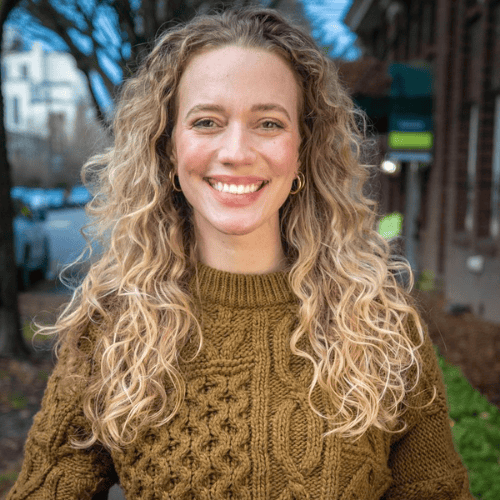
Author bio: Katherine Metzelaar, RDN, CD, is an anti-diet registered dietitian and founder of Bravespace Nutrition. She helps people heal their relationship with food and body image, overcome diet culture pressures, and cultivate a compassionate, non-diet approach to eating and self-care. Katherine empowers her clients to trust their bodies, enjoy food without shame, and experience freedom from restrictive dieting.