
How to Hate Your Body Less: A Gentle Approach to Body Image Healing
by Katherine Metzelaar, MSN, RDN, CD
Most people are taught to believe that body image healing means waking up one day and suddenly loving everything about how they look. If that has never happened for you, there is a reason. You do not go from hating your body to loving it in one leap. Healing is not a jump. It is scaffolding.
Scaffolding is what supports the construction of large, powerful buildings before they can stand on their own. Body image healing works the same way. You build skills over time that help you relate to your body differently. You learn to see it as more than something to judge, monitor, fix, or compare. You begin to see your body as a vessel that carries you through life and allows you to experience relationships, memories, sensations, and pleasure.
But knowing this cognitively is different from feeling it. You may intellectually understand that body love is not an overnight transformation, but do you ever stop long enough to feel into your relationship with your body? Not think, but feel. Not perform, but notice.Not evaluate, but observe. This means slowing down the constant analysis in your mind and checking in with your internal experience. It means asking questions that invite curiosity instead of criticism.
Have you ever asked yourself what it would be like to hate your body a little less? What would change in your day if your body did not feel like something you had to battle? What might open up if your body stopped being an opponent? These questions matter because they interrupt the automatic belief that body hatred is the only option.
Why You Cannot Leap From Hate to Love
Your nervous system needs time to adjust to new beliefs about your body. When you have spent years or decades learning that your body is a problem, your brain will not immediately accept a new narrative. Scaffolding gives you room to build safety, trust, and capacity for a different relationship over time. It protects your healing from becoming another perfectionistic project.
The Middle Ground: Body Neutrality
Many people think the opposite of body hate is body love, but there is a very real and incredibly important space in between. This space is called body neutrality. Body neutrality allows you to relate to your body without forcing yourself to feel confident or beautiful. It removes the pressure to love your appearance and shifts the focus toward respecting your body for what it does rather than how it looks. Things you can say to yourself that align with body neutrality might sound like:
My body is here.
My body lets me breathe and sleep and move.
My body deserves care even when I do not like how it looks.
My worth is not determined by my reflection.
This middle ground is often where healing actually begins because it is realistic, approachable, and grounded.
Inquiry as a Path to Body Healing
Curiosity opens doors that criticism keeps closed. It’s something I teach often in both body image courses that I offer: You’re Not Broken And Fearless Intimacy. Inquiry is not about having answers. It is about creating space for possibility. If you’re open to chaining your relationship to your body (your body image), consider exploring questions like:
What emotions arise when I think about my body?
Where did I learn that my body is wrong?
Who taught me to distrust or dislike my body?
What has my body carried me through that I forget to appreciate?
What does neutrality feel like in my body?
What would it be like if my body did not have to be the most interesting or valuable thing about me?
How would my life look if my body was not a project?
You do not need the answers. The questions themselves are healing.
Healing Takes Time, and That Is Not a Failure
Healing your relationship with your body is not a race and not a finish line. It is a slow accumulation of moments where you choose curiosity over shame, care over punishment, neutrality over hatred, and compassion over comparison. I want to encourage you to start slowly by asking gentle questions or noticing one sensation at a time. You can practice making room for one moment of neutrality. Remember that tall, sturdy structures are not built in a day. They require scaffolding, foundation, and time. Your healing is the same.
Give yourself permission not to rush. Give yourself permission to begin where you are. Give yourself permission to take small steps.Give yourself permission to celebrate those steps.
Give yourself permission to heal, even if you do not know what healed looks like yet. Your body does not need to be loved today for you to begin treating it with respect. Hating your body a little less might be the first step toward a relationship that feels possible.
You’ll also love:
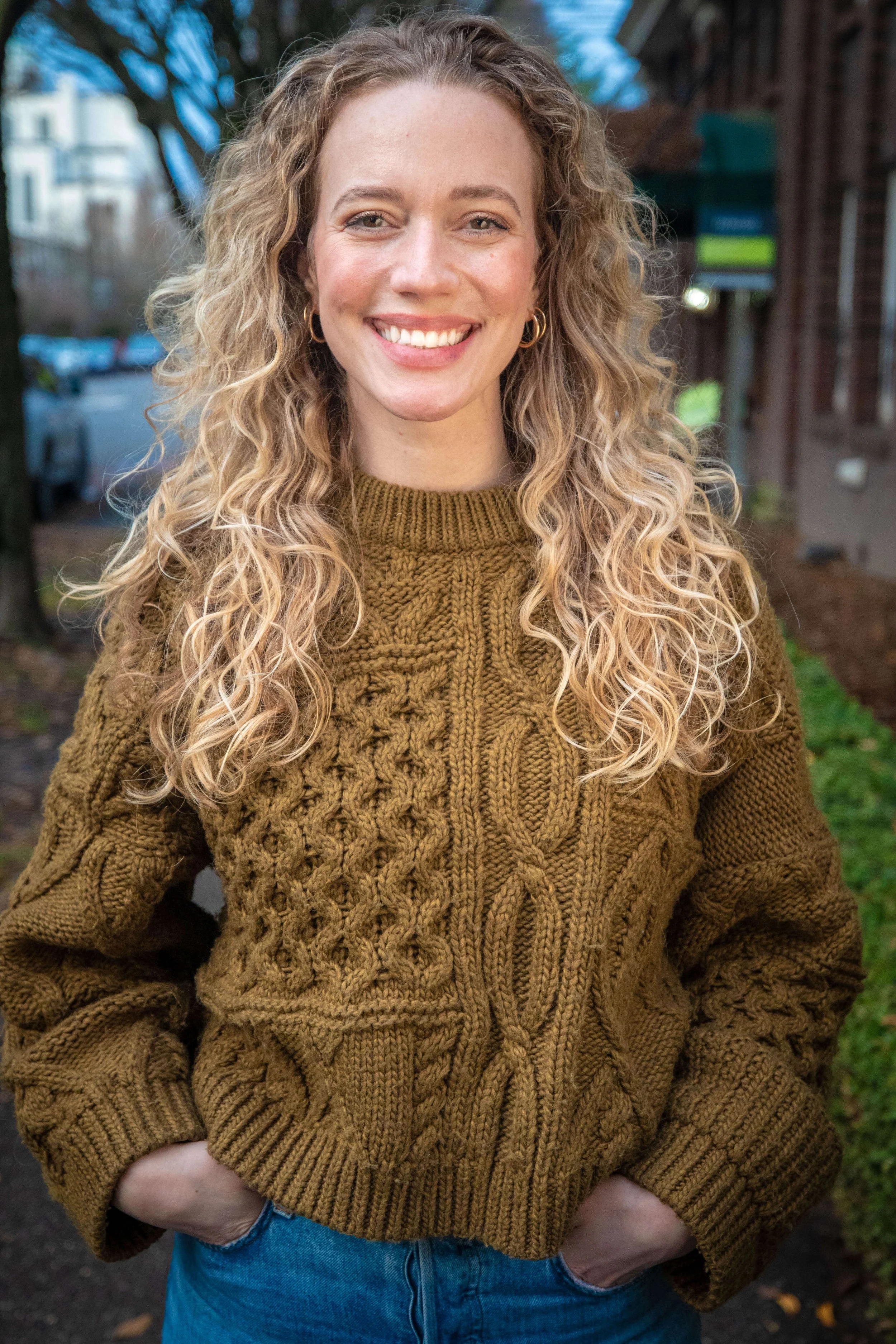
Author bio: Katherine Metzelaar, MSN, RDN is an non-diet registered dietitian and founder of Bravespace Nutrition. She helps women heal their relationship with food and body image, overcome diet culture pressures, and cultivate a compassionate, non-diet approach to eating and self-care. Katherine empowers her clients to trust their bodies, enjoy food without shame, and experience freedom from restrictive dieting.
Want to learn how to hate your body less?
If you are beginning to explore what body image healing might look like for you, my 1:1 nutrition and Body image counseling, my self-paced body image courses, You're Not Broken and Fearless Intimacy (mini-course), can offer the scaffolding you need to move toward a more peaceful relationship with your body. You do not have to figure this out alone. Please reach out to Bravespace Nutrition to begin your healing journey today!