
Does Negative Body Image Affect Romantic Relationships?
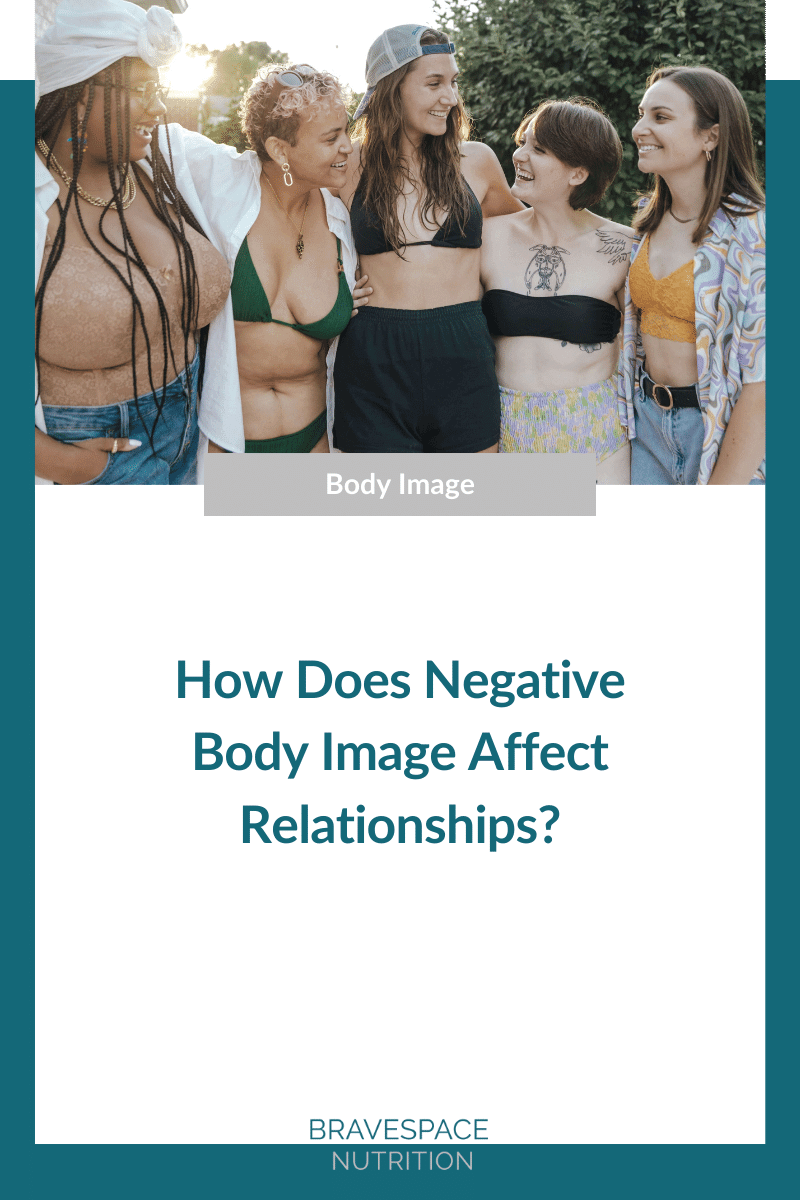
Body image can have a real impact on dating and romantic relationships. When you feel uncomfortable in your body, it can affect whether you want to date, how you interpret a partner's reactions, how comfortable you feel being seen, and your ability to be present during physical intimacy.
Dating can already feel vulnerable. Between social media, dating apps, appearance-based expectations, and the possibility of rejection, there are plenty of opportunities for body image worries to show up. If you're already struggling with how you feel about your body, those worries can become especially loud when you're dating or in a relationship.
That doesn't mean you need to become confident in your body or learn to love how you look before you can have fulfilling relationships. But understanding how negative body image is showing up can help you recognize when it is getting in the way of connection, intimacy, or simply being present with another person.
How Does Body Image Affect Dating and Relationships?
Your relationship with your body can shape how you experience dating and relationships in ways that aren’t always obvious. Body image can affect how comfortable you feel being seen, how you interpret a partner’s words or actions, whether you avoid certain experiences, and how present you’re able to be during connection and intimacy.
1. Self-esteem and Insecurity
When you’re struggling with your body image, you might feel insecure, inadequate, or like you’re simply not enough. Those feelings can affect how you show up in dating and relationships. You might avoid going on dates because you don’t want someone to see your body, hesitate to meet someone you’ve been talking to online, or pull away from a partner when you’re having a particularly hard body image day.
You may also find yourself assuming that someone else is judging your body as harshly as you are. That can make it harder to trust that someone is attracted to you or genuinely wants to be with you, even when they haven’t given you a reason to believe otherwise.
2. Communication and Understanding
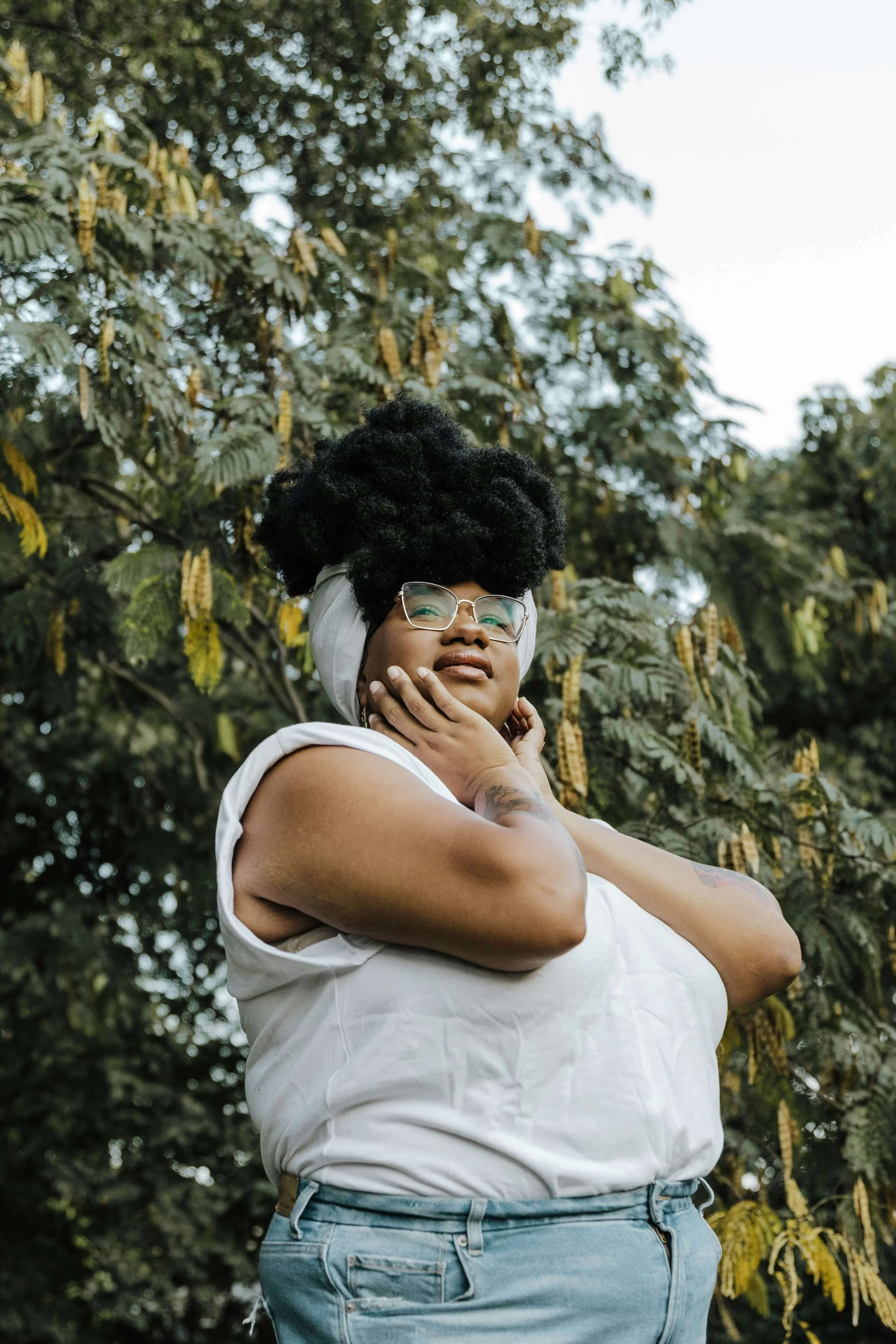
When you’re struggling with body image, it can be difficult to explain what’s actually going on to a partner. You might pull away, become irritable, turn down plans, or seem distracted without saying that you’re having a hard time with your body.
For example, you might decline a dinner invitation because none of your clothes feel comfortable or because you’re feeling particularly self-conscious about your body. Your partner or date may interpret that as disinterest or assume something is wrong in the relationship when what you’re actually struggling with is your body image.
Talking about body image can feel incredibly vulnerable too. And, when the people close to you don’t know what’s happening, it leaves them to make their own sense of changes in your behavior. Over time, that can create misunderstanding and distance in a relationship.
3. Mental Health and Well-being
When thoughts about your body take up a lot of mental space, it can be hard to stay present in your relationships. You might spend a date wondering what the other person thinks about your appearance, analyzing how your body looks from different angles, or worrying about whether your partner still finds you attractive.
That kind of preoccupation can be exhausting. Instead of being able to focus on the person you’re with and what you’re experiencing together, part of your attention is constantly being pulled back toward your body.
4. Social Comparisons and Jealousy
Struggling with your body image can make comparison feel almost automatic. You might find yourself noticing other people’s bodies and comparing their appearance to your own, especially when you’re already feeling vulnerable or insecure.
In a relationship, this can show up when your partner is around someone whose body or appearance fits an ideal you’ve learned to value. You might start wondering whether your partner finds that person more attractive or whether you measure up.
These thoughts don’t necessarily say anything about your relationship or your partner’s feelings toward you. They may say much more about the fears and beliefs you’ve learned to hold about your own body.
5. Internalizing Rejection
Rejection is an uncomfortable but normal part of dating. When you’re struggling with your body image, though, it can be easy to interpret rejection as evidence that something is wrong with your body.
If someone doesn’t want a second date or decides not to continue a relationship, you might immediately think, They weren’t attracted to me, or If my body looked different, they would have wanted me.
Of course, there are countless reasons why two people might not be a good fit. But when you already have painful beliefs about your body, rejection can seem to confirm the things you fear are true about yourself. Recognizing that pattern can help you separate someone else’s decision from your worth or the value of your body.
6. Fear around Intimacy
Body image can also affect how comfortable you feel with physical and sexual intimacy. You might avoid being naked in front of a partner, prefer certain positions or lighting, have difficulty letting someone touch particular parts of your body, or avoid intimacy altogether when you’re having a hard body image day.
Even when you do choose to be intimate, negative body image thoughts can make it difficult to stay present. Instead of noticing pleasure, connection, or what feels good, you might find yourself thinking about how your body looks or imagining what your partner is thinking about it.
Healing your body image doesn’t mean you have to become completely comfortable with your body before you can experience intimacy. It can mean learning how to make a little more room for connection and pleasure, even when uncomfortable thoughts about your body are still there.
What Can You Do When Body Image Is Affecting Your Relationship?
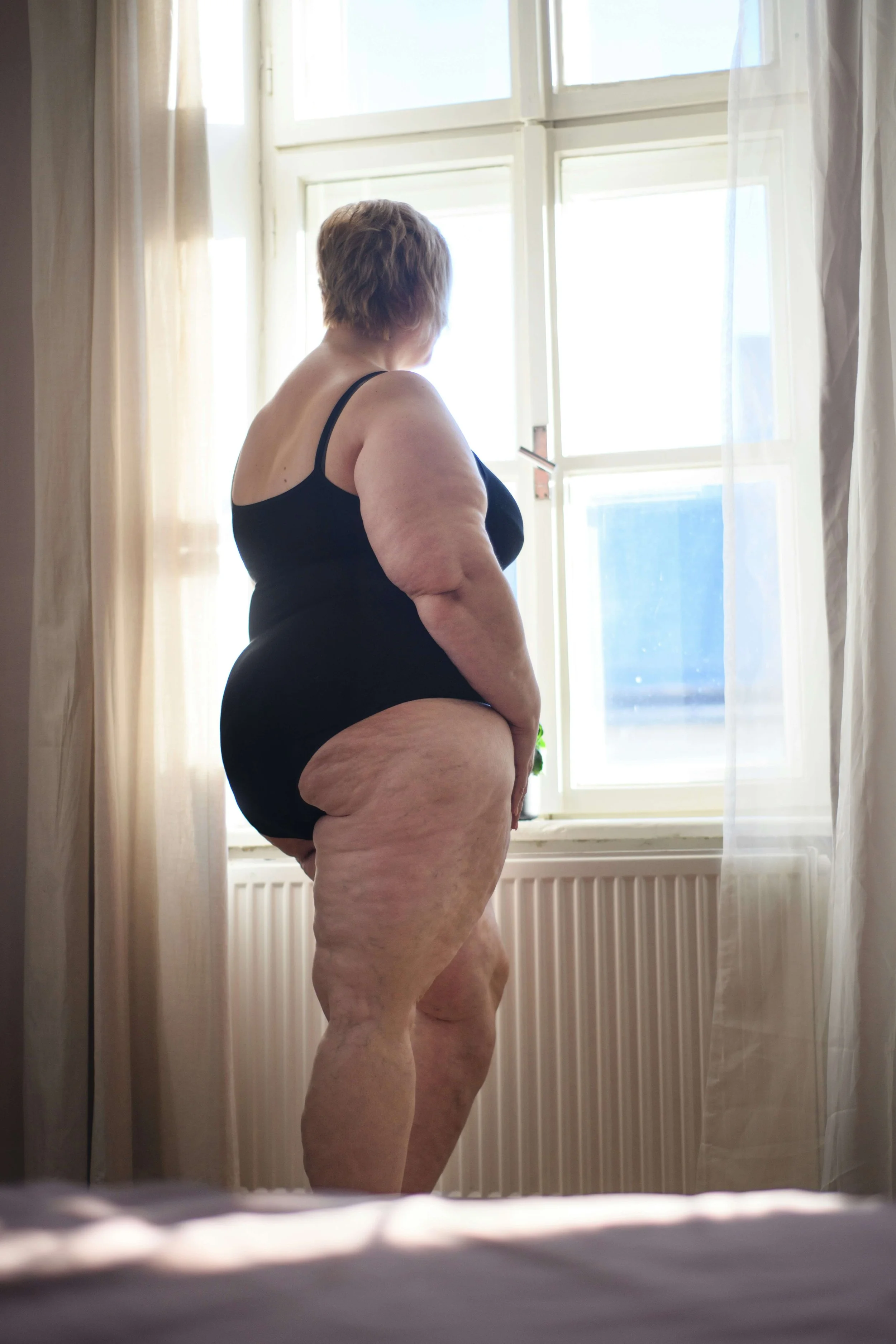
You don’t have to love your body or feel confident about your appearance before you can date, experience intimacy, or have a fulfilling relationship. Body image work can instead be about noticing when thoughts about your body are getting in the way of the life and relationships you want.
Let Your Partner Know What’s Going On:
If it feels safe to do so, talking about body image with your partner can help them understand what you’re experiencing. You don’t have to explain everything or ask them to fix how you feel. Sometimes simply being able to say, “I’m having a hard body image day,” can provide context for why you’re feeling withdrawn, uncomfortable, or less interested in certain activities.
It can also give you an opportunity to talk about what actually feels supportive. You may want reassurance, or you may find that comments about your appearance make you focus on your body even more. Support can look different for different people.
Notice When Comparison Is Pulling You Away From the Moment:
Body comparison can become especially loud when you’re dating or in a relationship. You might compare yourself to people on social media, strangers when you’re out together, your partner’s exes, or even an imagined version of what you think your partner finds attractive.
When you notice yourself comparing, the goal doesn’t have to be convincing yourself that your body looks better. Instead, try noticing that comparison is happening and gently bringing your attention back to what you’re actually experiencing. You can do this by asking questions like, Are you enjoying yourself? Do you feel connected to the person you’re with? What would you want to be paying attention to if you weren’t evaluating your body right now?
Over time, body image work can become less about changing how you see your appearance and more about your negative body image thoughts taking up less space in your attention so you can participate more fully in your life.
Practice Being Present During Intimacy
If body image thoughts show up during physical or sexual intimacy, you don’t have to make them disappear before you can enjoy the experience. Trying to force yourself to stop thinking about your body can sometimes make those thoughts even louder.
Instead, experiment with bringing your attention back to what you can actually feel and experience in the moment. Notice touch, warmth, pleasure, closeness, or whatever else feels meaningful to you. When your attention shifts back to how your body looks, gently redirect it toward what your body is experiencing.
You can also communicate with your partner about what helps you feel more comfortable and connected. The goal isn’t to perform confidence or become completely uninhibited. It’s to have more opportunities to experience intimacy without body image taking over the entire experience.
You Don’t Have to Fix Your Body to Have Fulfilling Relationships
Poor body image can affect dating and relationships in very real ways, but you don’t have to wait until you feel completely comfortable with your body to pursue connection, intimacy, or the relationships you want.
Working on healing your body image can mean learning to recognize the thoughts and behaviors that keep you preoccupied with your appearance, finding ways to stay connected to yourself and others when body image thoughts and feelings are difficult, and making more room for the parts of your life that matter to you.
Your body doesn’t have to become something you love before you’re allowed to be seen, desired, connected, or fully present in your relationships.
More About Body Image
Looking for more structured body image support? You’re Not Broken is my self-paced body image course for women who want to spend less time fighting their bodies and more time living their lives.
Want Support With Your Body Image?
If thoughts about your body are affecting your relationships, intimacy, or ability to be present in your life, you don’t have to figure it out on your own.
At Bravespace Nutrition, I offer weight-inclusive nutrition counseling for adults who want a different relationship with food and their bodies. Our work can include body image, disordered eating + chronic dieting, eating disorders, and the ways these concerns show up in everyday life and relationships.
Ready to learn more? Schedule a free 15-minute discovery call.