

You didn't set out to have a difficult relationship with food.
Most people don't wake up one day intending to develop a difficult relationship with food. More often, it starts with a genuine desire to take care of yourself. Maybe you wanted more energy, hoped to lower your cholesterol, manage a health condition, prevent future illness, or simply eat in a way that felt nourishing. Those are understandable goals.
But over time, the rules can begin to multiply.
You find yourself reading every ingredient label, researching restaurant menus ahead of time, or feeling anxious when the foods you've come to rely on aren't available.You start wondering whether one meal could undo your health or whether you're making the "right" food choices. Somewhere along the way, food starts taking up more space in your life than you ever intended. If this sounds familiar, you're not alone.
Orthorexia often begins with a genuine desire to take care of yourself. But when healthy eating starts making your world smaller instead of bigger, it's worth paying attention. You deserve a relationship with food that supports your health without taking over your life.
What is orthorexia?
Orthorexia is an unhealthy obsession with eating in a way that's perceived as “healthy”, “clean”, or "correct." Many people describe orthorexia as an obsession with healthy eating. While that captures part of the experience, it's often about much more than simply wanting to eat well. It's the fear, anxiety, and rigid food rules that can gradually turn eating into something stressful instead of nourishing.
Unlike many eating disorders, the focus isn't always weight loss. Instead, the focus is often on the quality or purity of food, avoiding certain ingredients, or following increasingly rigid food rules. Someone struggling with orthorexia may spend hours researching nutrition, avoiding foods they believe are unhealthy or harmful, or feeling significant anxiety when they can't eat according to their rules. Even meals that once felt enjoyable can become stressful or overwhelming.
Although orthorexia is not currently an official diagnosis in the Diagnostic and Statistical Manual of Mental Disorders (DSM-5), that doesn't make the struggle any less real. Like other forms of disordered eating, it can interfere with relationships, travel, celebrations, work, and overall quality of life.
The goal of eating well is to help you live your life. When food starts becoming the center of your life, something has shifted.
It probably didn't start this way.
One of the reasons orthorexia can be so difficult to recognize is that it rarely begins with the intention of developing an eating disorder. Instead, it often begins with a sincere desire to care for your body and your health. Maybe you wanted to cook more meals at home, eat more vegetables, or learn more about nutrition. Perhaps you received medical advice that led you to pay closer attention to food, or you were simply trying to make healthier choices. None of those goals are the problem.
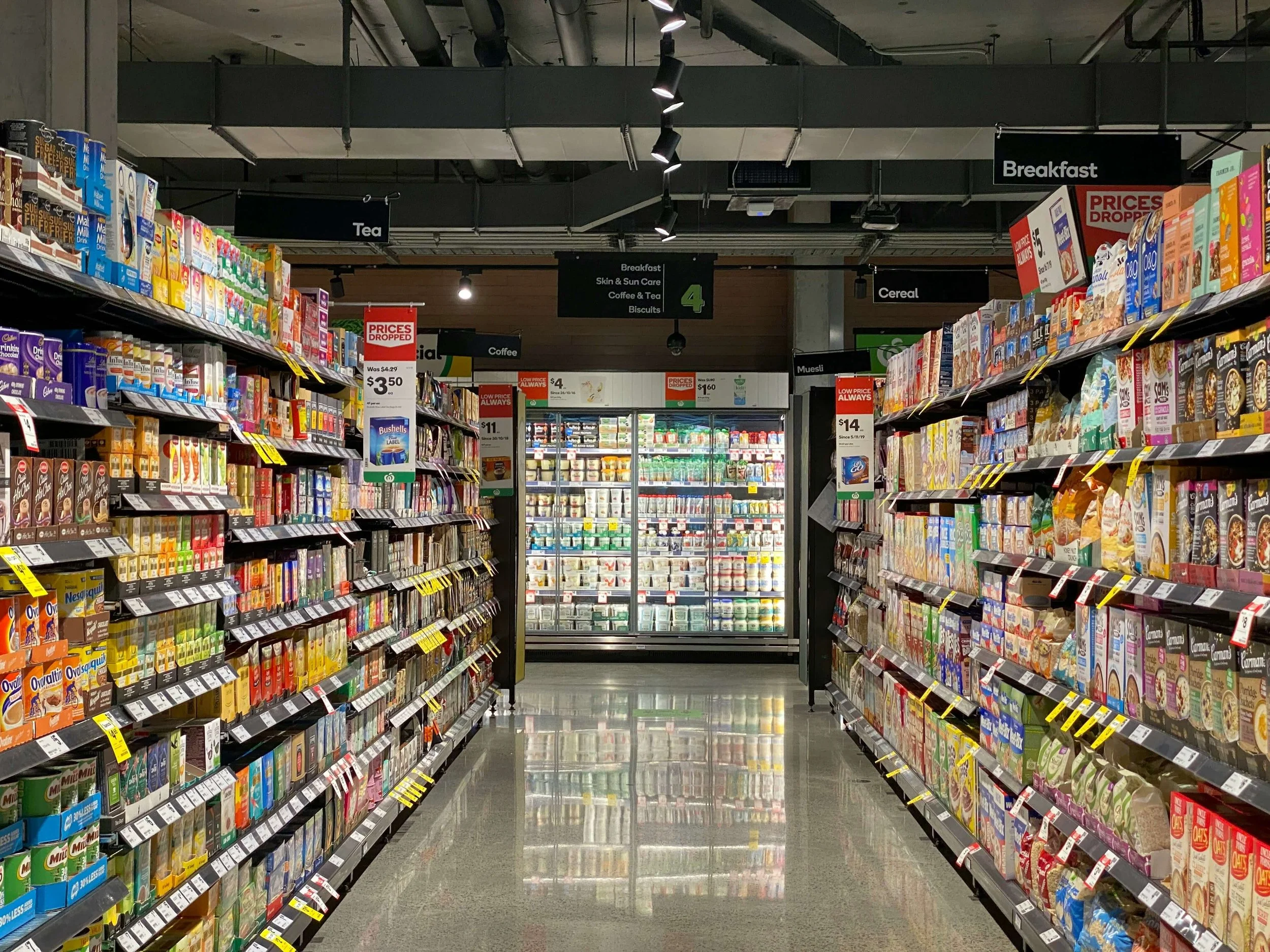
The challenge is that somewhere along the way, health can start to feel like something you have to earn by eating perfectly. There always seems to be another ingredient to avoid, another food to eliminate, another influencer to follow, or another social media post warning you about something in your pantry. What once felt empowering gradually becomes overwhelming. If you've found yourself here, I want you to know this didn't happen because you cared "too much" about your health. We live in a culture that constantly tells us our health depends on making perfect food choices, and it’s understandable that those messages can slowly turn into fear, guilt, and rigid food rules. The problem isn't that you wanted to take care of yourself. It's that somewhere along the way, caring for your health started costing you your peace.
Why orthorexia can be so difficult to recognize
One of the reasons orthorexia can be so difficult to recognize is that many of the behaviors associated with it are praised by our culture. Planning meals, reading nutrition labels, cooking at home, eating more vegetables, being aware of what goes into your food, and wanting to learn about nutrition aren't inherently unhealthy. In fact, they're often encouraged. That's part of what makes orthorexia so confusing. Many of the behaviors look healthy from the outside, even when they're causing significant distress on the inside.
At the same time, we're surrounded by a constant stream of nutrition advice. Whether it's social media, podcasts, books, or documentaries, it can feel like everyone has a different opinion about what you should and shouldn't eat. One person says seed oils are harmful. Another says sugar is toxic. Someone else promises that eliminating gluten will transform your health.
It's understandable that this leaves people feeling confused and afraid. When we're constantly exposed to messages suggesting our health depends on making the "right" food choices, it's easy to start believing that every decision carries enormous consequences.The reality is that nutrition is rarely that black and white.
When food starts taking up too much space
One of the questions I often ask my clients is, "How much space is food taking up in your life?" For many people with orthorexia, the answer is: much more than they'd like. Orthorexia isn't just about what's on your plate, it's also about how much time, energy, and mental space food begins to occupy. You might spend hours researching ingredients, reading conflicting nutrition advice, or planning meals long before you're hungry. You may find yourself avoiding restaurants, bringing your own food everywhere, or feeling anxious when you don't know exactly what's in a meal.
Over time, eating can start to feel less like nourishment and more like something you have to get right. Ironically, the more we try to control food, the more food tends to take over our thoughts.
Fear isn't the same thing as health
Many of the people I work with care deeply about their health. They're thoughtful, curious, and genuinely trying to do what they believe is best for their bodies. They didn’t develop orthorexia because they've done something wrong or because they care "too much." More often, they're responding to a culture that encourages us to constantly optimize our eating and convinces us that our health depends on making the "right" food choices.
Somewhere along the way, health becomes intertwined with fear. Fear of eating the wrong food. Fear of making the wrong choice. Fear that one ingredient or one meal could have lasting consequences. The result is that eating becomes less about nourishment and more about avoiding mistakes.
But fear isn't the same thing as health.
A healthy relationship with food includes flexibility. It leaves room for birthday cake, vacations, spontaneous dinners with friends, and changing plans without feeling like you've failed. It allows food to support your life instead of becoming the center of it. Health isn't just about what you eat, it's also about whether your relationship with food leaves room for the rest of your life.
Healthy eating vs. orthorexia
People often ask where the line is between caring about your health and becoming overly focused on healthy eating. The difference usually isn't whether you care about nutrition, it's how much flexibility you have. Healthy eating can support your life while still leaving room for spontaneity, enjoyment, and connection with other people. Orthorexia often has the opposite effect. Food rules become increasingly rigid, anxiety grows, and eating starts taking up more mental space. Healthy eating should feel like it supports your life, not that it’s become your life.
How orthorexia can show up
Orthorexia doesn't look the same for everyone. For some people, it develops after years of chronic dieting. For others, it begins after receiving a medical diagnosis, following nutrition advice online, or trying to improve their health. Some people become increasingly focused on eating "clean," while others feel overwhelmed by conflicting messages about what they should or shouldn't eat. No matter how it begins, orthorexia often becomes less about nutrition and more about anxiety, certainty, and trying to feel safe.
You may recognize yourself in some of the experiences below.
Spending a significant amount of time thinking about food, ingredients, or planning meals.
Feeling anxious when you don't know exactly what's in your food.
Avoiding restaurants or social gatherings because eating feels too unpredictable.
Eliminating more and more foods over time.
Feeling guilty, ashamed or afraid after eating foods that don't fit your rules.
Believing you've "failed" if you eat something you consider unhealthy.
Constantly researching nutrition or feeling like you need to stay on top of the latest food trends.
Feeling like eating has become stressful rather than enjoyable.
Finding that your world has become smaller because of food rules.
It's important to remember that you don't have to relate to every experience on this list for your relationship with food to deserve attention. If thoughts about food are taking up a significant amount of your day, creating distress, or making it harder to participate in the life you want to live, it's worth exploring whether your relationship with food has become more rigid than supportive. You don't need to wait until things get worse before asking for help.
Orthorexia and eating disorders
Although orthorexia isn't currently recognized as its own diagnosis in the DSM-5, many eating disorder professionals recognize it as a very real and often debilitating experience. Orthorexia shares many characteristics with other eating disorders, including rigid food rules, anxiety around eating, perfectionism, guilt, and an increasing preoccupation with food. Some people with orthorexia also meet the criteria for anorexia nervosa, bulimia nervosa, binge eating disorder, or another eating disorder. Others do not.
What matters most isn't whether you fit neatly into a diagnostic category, rather, what matters is whether your relationship with food is affecting your quality of life. If food has become something that dominates your thoughts, limits your flexibility, or creates significant anxiety, you deserve support. You don't need a formal diagnosis to benefit from working with an eating disorder dietitian.
What recovery can look like
If you've been living with rigid food rules for a long time, the idea of letting them go can feel frightening. That's understandable. Those rules didn't appear overnight, and they likely developed because you were trying to take care of yourself. For many people, those habits once felt, or still feel, protective. Letting go of them can feel like letting go of the very thing that's keeping you safe.
Recovery isn't about caring less about your health. It's about discovering that your health doesn't depend on eating in just the right way. Over time, the goal is to build a relationship with food that feels more flexible, more peaceful, and more sustainable. One where you can enjoy dinner with friends without researching the menu beforehand, travel without worrying about every meal, and celebrate birthdays without guilt or second-guessing your choices.
Many people are surprised to discover that recovery isn't about thinking less about health. It's about thinking less about food. As the food rules begin to loosen, many people notice that food takes up less mental space. They spend less time researching ingredients, replaying meals in their minds, being filled with fear around what will happen because they ate a certain food, or worrying about whether they've made the "right" choice.
You don't have to wait for things to get worse
Many people who struggle with orthorexia question whether they really need help. Maybe you're still eating regularly, or maybe people compliment your eating habits, making it even harder to recognize how much anxiety food is creating. The truth is, you don't have to wait until food completely takes over your life before reaching out. If your relationship with food is creating distress, taking up more mental space than you'd like, or making it harder to enjoy your life, that's reason enough to seek support. You deserve help because you're struggling, not because you've reached a certain threshold or received a diagnosis.
How Nutrition Counseling Can Help
Nutrition counseling for orthorexia isn't about convincing you that nutrition doesn't matter, it’s about helping you untangle nutrition from fear so that food becomes something you can trust again instead of something you constantly have to control. Together, we'll work to reduce rigid food rules, build more flexibility around eating, and help you feel more confident making food choices without fear. Nutrition counseling is individualized, so we'll focus on the challenges that are most relevant to your life, whether that's eating out, grocery shopping, traveling, reducing food fears, or feeling less overwhelmed by nutrition information.
Our work together is always individualized because no two relationships with food are exactly alike. Depending on your needs, we might work on expanding flexibility around food, reducing guilt after eating, navigating social situations with greater confidence, or making peace with the uncertainty that naturally comes with letting go of rigid food rules.
One of the things I hope every client walks away knowing is that you don't have to choose between caring about your health and making peace with food. Those aren't opposing goals. In fact, I believe a peaceful relationship with food is an essential part of health.
You deserve more than a life organized around food rules
Recovery ultimately isn’t about eating perfectly or ignoring your health, it’s about building a relationship with food that supports your well-being while leaving room for the rest of your life. If you're ready to spend less time worrying about food and more time living your life, I'd be honored to support you.You don't have to figure this out on your own.
Want to learn more about how orthorexia develops? Read my article, When Healthy Eating Becomes Unhealthy where I explore how well-intentioned food choices can gradually turn into rigid food rules.,
Frequently Asked Questions About Orthorexia
Is orthorexia an eating disorder?
Orthorexia is not currently recognized as its own diagnosis in the Diagnostic and Statistical Manual of Mental Disorders (DSM-5). However, many eating disorder professionals recognize it as a very real and often debilitating pattern of disordered eating.
Whether or not someone meets formal diagnostic criteria doesn't change the impact it can have on their life. If thoughts about food are creating anxiety, taking up significant mental space, or making it difficult to enjoy everyday life, those struggles deserve attention and support.
How is orthorexia different from healthy eating?
Caring about your health and wanting to eat nutritious foods isn't the problem.The difference is often how much flexibility you have. If eating becomes increasingly rigid, creates anxiety, or causes you to avoid social situations, travel, or foods you once enjoyed, your relationship with food may have shifted beyond simply caring about your health.
Why can healthy eating feel so stressful?
If eating has started feeling stressful, it doesn't necessarily mean you're doing something wrong. Many people are trying to navigate a constant stream of conflicting nutrition advice while also wanting to care for their health. It's understandable that food begins to feel confusing.
The goal of recovery isn't to stop caring about your health. It's to build a relationship with food that allows you to care for your health without sacrificing your peace and your mental health.
Can you recover from orthorexia?
Yes. Recovery doesn't mean you'll stop caring about nutrition. It means building a relationship with food that's no longer driven by fear or rigid rules.
Many people find that as recovery progresses, they spend less time thinking about food and more time enjoying the parts of life that matter most. That's not because nutrition becomes unimportant. It's because food returns to the role it was always meant to have: supporting your life rather than becoming the center of it.
Can Intuitive Eating Help With Orthorexia?
For many people, yes. Learning to reconnect with your body's internal cues can be an important part of recovery. That doesn't mean ignoring nutrition or eating without intention. It means learning to make food choices from a place of flexibility, self-trust, and nourishment rather than fear.
Recovery looks different for everyone, which is why nutrition counseling is tailored to your individual experiences, goals, and medical needs.
Do I need a diagnosis to get help?
No. Many of the people I work with have never received a formal eating disorder diagnosis. They simply know that food has become stressful, confusing, or all-consuming.
If your relationship with food is affecting your mental health, taking up more space than you'd like, or making it difficult to fully participate in your life, you don't have to wait for things to get worse before reaching out.
Can orthorexia happen even if I'm not trying to lose weight?
Absolutely. While some people with orthorexia are focused on weight, many are primarily concerned with eating as "cleanly," "purely," or "healthfully" as possible.
Orthorexia is less about body size and more about the rigidity, anxiety, and fear that become attached to food and eating.
Can orthorexia affect people at any body size?
Yes. People of all body sizes can experience orthorexia. Unfortunately, many people assume eating disorders only affect those who appear visibly underweight. That misconception can make it even harder for people to recognize when they need support or to feel like they deserve help.
Your relationship with food matters regardless of your body size.