

Most people who struggle with emotional eating aren't lacking willpower. They're exhausted from feeling like food has become their coping mechanism, wondering why they keep turning to it despite their best intentions.
Maybe you've promised yourself you'll stop eating when you're stressed, lonely, overwhelmed, or bored, only to find yourself doing it again. Or maybe you've spent years blaming yourself, believing that if you just had more discipline, this wouldn't be so hard.
The truth is, emotional eating is often more complicated than it seems. While everyone eats for emotional reasons sometimes, emotional eating can become distressing when it feels automatic, leaves you feeling guilty, or starts to interfere with your relationship with food, your body and your life.
You don't have to figure it out alone. I offer weight-inclusive nutrition counseling for emotional eating in Seattle and throughout Washington State to help you better understand why emotional eating happens, reduce the shame surrounding it, and build new ways of caring for yourself without relying on food as your only coping strategy
Ready for support? Schedule a discovery call to learn how nutrition counseling can help you build a more peaceful relationship with food.
Emotional Eating Isn't a Lack of Willpower
If you've ever found yourself thinking, "Why can't I just stop?" you're not alone.
Many people believe emotional eating is a sign that they're weak, lazy, or lacking self-control. In reality, emotional eating often develops for reasons that make sense. Food can provide comfort, distraction, pleasure, or relief during difficult moments. Your brain learns that eating helps you cope, and over time, that pattern can become automatic.
For many people, emotional eating is also shaped by chronic dieting, restrictive food rules, or simply not eating enough throughout the day. When your body and brain have spent years experiencing deprivation, turning to food during times of stress is not a personal failure, instead it's a response that developed for a reason.
That doesn't mean emotional eating is something you have to live with forever. With support, it's possible to better understand what's driving it, develop new coping strategies, and rebuild trust with your body without relying on shame or stricter food rules.
What Is Emotional Eating?

Emotional eating is using food to cope with emotions rather than physical hunger. You might find yourself eating because you're stressed, overwhelmed, lonely, anxious, bored, or even celebrating something positive.
The important thing to know is that emotional eating itself is not inherently bad. Food is comforting. It brings people together, helps us celebrate, and can provide a sense of relief during difficult moments. Most people eat for emotional reasons from time to time.
Emotional eating becomes more concerning when it feels like your primary way of coping, happens automatically, or leaves you feeling guilty, ashamed, or disconnected from your body's hunger and fullness cues. You may feel like you've lost trust in yourself around food or find yourself caught in a cycle of eating, regret, and promises to "do better" tomorrow.
Rather than focusing on stopping emotional eating altogether, nutrition counseling helps you understand what's driving the behavior so you can develop a more flexible, compassionate, and sustainable relationship with food.
Read more about why emotional eating is more complicated than it seems
Signs Emotional Eating May Be Affecting Your Life
Emotional eating exists on a spectrum. You don't have to meet a specific set of criteria or have an eating disorder for it to be worth paying attention to. If eating has started to feel stressful, confusing, or out of your control, you deserve support.
You might recognize yourself in some of these experiences:
You regularly eat in response to stress, anxiety, loneliness, boredom, or other difficult emotions, even when you aren't physically hungry.
You feel guilty, ashamed, or frustrated after eating and promise yourself you'll "be better" tomorrow.
You find yourself eating quickly or almost automatically before realizing how much you've eaten.
You feel caught in a cycle of restricting food during the day and eating more in the evening.
You rely on food as your primary way to cope with difficult emotions because you're not sure what else to do.
You worry about your eating habits or feel like you've lost trust in yourself around food.
Thoughts about food, eating, or trying to "make up for" what you ate take up more mental space than you'd like.
If any of this sounds familiar, you're not alone. Emotional eating isn't a character flaw, and it doesn't mean you've failed. More often, it's a sign that something deeper deserves attention. Nutrition counseling can help you understand what's driving these patterns and develop new ways of responding with curiosity instead of shame.
Emotional Eating vs. Binge Eating
People often use the terms emotional eating and binge eating interchangeably, but they aren't the same thing. Emotional eating refers to eating in response to emotions rather than physical hunger. While it can feel distressing, emotional eating exists on a spectrum and is something most people experience at times.
Binge eating involves eating an objectively large amount of food within a relatively short period of time while experiencing a sense of loss of control. People often describe feeling unable to stop eating or feeling disconnected from their choices during the episode. Binge eating is also associated with marked distress and may be part of Binge Eating Disorder (BED), though not everyone who binge eats meets the criteria for a diagnosis.
The two experiences can overlap. Some people who emotionally eat also binge eat, while others do not. Likewise, not every binge is triggered by emotions. Hunger, chronic dieting, food restriction, and other factors can all contribute.
The most important question isn't whether your eating fits neatly into one category or another. If eating feels distressing, out of control, or is interfering with your quality of life, you deserve support. Nutrition counseling can help you better understand your relationship with food and identify an approach that meets your individual needs.
Why Does Emotional Eating Happen?
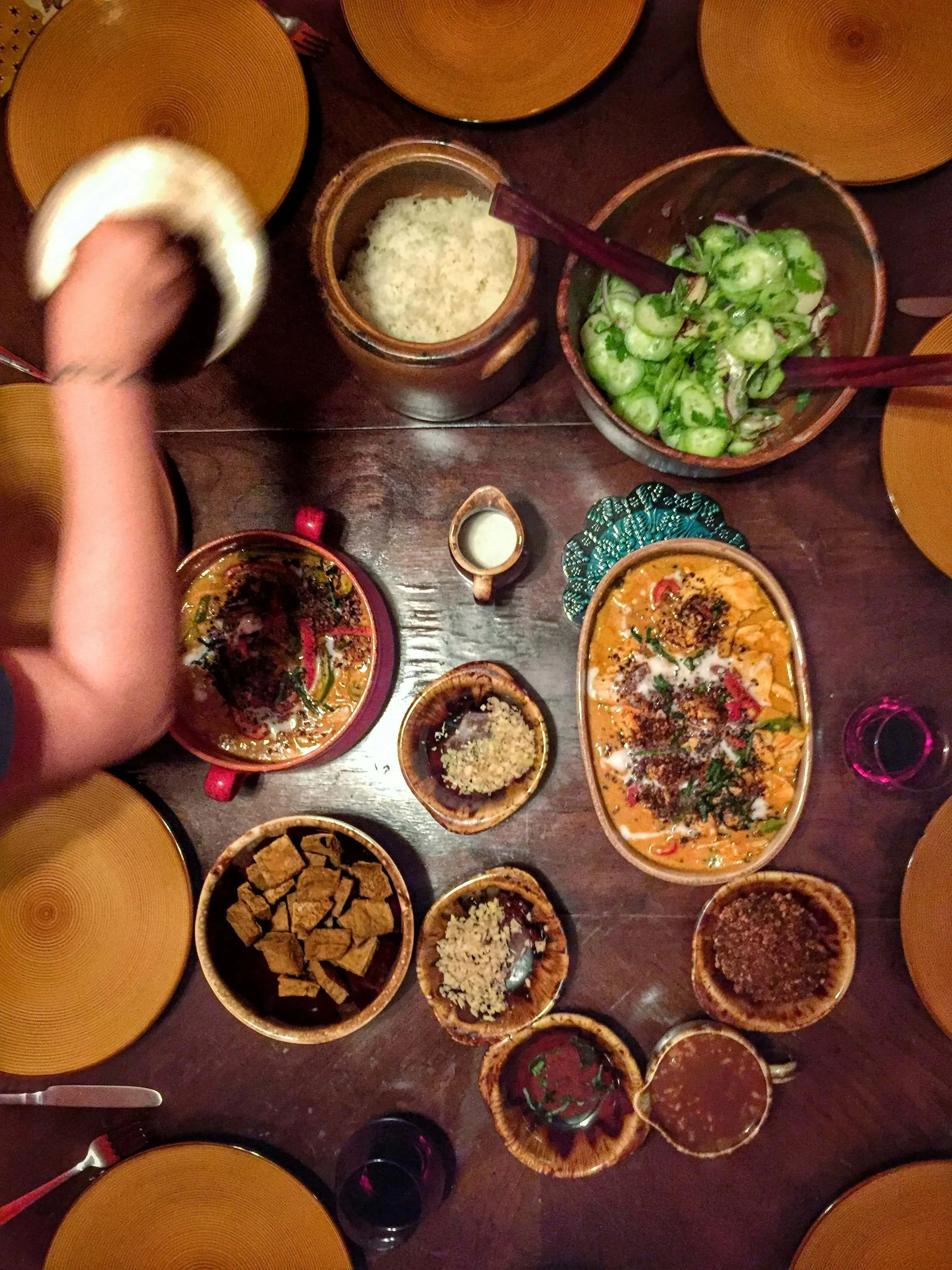
Emotional eating doesn't happen because you lack discipline. Often, it develops because eating works. Food can soothe, distract, comfort, provide pleasure, or give you something to look forward to when things feel difficult.
Stress, anxiety, loneliness, boredom, grief, overwhelm, and other emotions can all increase the desire to eat. Sometimes food becomes one of the easiest or most accessible ways to cope, especially when other forms of support or relief aren't available.
But emotions aren't always the whole story. Not eating enough can look a lot like emotional eating. If you're skipping meals, restricting certain foods, or trying to eat as little as possible during the day, your body may respond with intense hunger or a strong drive to eat later. What feels like a lack of control may actually be your body responding to deprivation.
Dieting and food rules can make this cycle even stronger. Telling yourself you "shouldn't" eat certain foods can make them feel more compelling, while guilt after eating can lead to more restriction and another round of overeating.
Understanding what is driving your eating is an important part of changing your relationship with food. Sometimes the answer is learning additional ways to cope with emotions. Sometimes it's eating more consistently, loosening rigid food rules, or giving yourself permission to eat foods you've been trying to control. Often, it's a combination.
How Can Nutrition Counseling Help With Emotional Eating?
Nutrition counseling for emotional eating isn't about teaching you more ways to control yourself around food. In fact, if you've spent years dieting, restricting, or trying to follow food rules, more control may be part of what's keeping you stuck.
Instead, we'll work together to understand what's actually happening when you turn to food. That might mean looking at whether you're eating enough throughout the day, identifying patterns of restriction, exploring the emotions or situations that tend to trigger eating, and noticing the beliefs you've learned about food and your body.
Depending on what you need, our work might include:
Building a more consistent and adequate eating pattern
Reducing food rules and all-or-nothing thinking
Learning to recognize hunger, fullness, and other body cues
Understanding what triggers feelings of being out of control around food
Finding additional ways to cope with difficult emotions without taking food away as an option
Working through guilt and shame around eating
Rebuilding trust in yourself around foods you've learned to fear or restrict
The goal isn't to make sure you never eat emotionally again. Food can be comforting, pleasurable, and part of how we care for ourselves. Instead, nutrition counseling can help you have more choice. Food can be one way you cope, without feeling like it's the only way you know how.
You don't need an eating disorder diagnosis to work with me. If your relationship with food is taking up more of your life than you want it to, that's enough reason to get support.
Ready to Feel More at Peace With Food?
You don't have to keep cycling between trying to control your eating and feeling like food is controlling you. Nutrition counseling can help you understand what's driving your eating patterns and build a relationship with food that feels more flexible, trusting, and sustainable.
Schedule a discovery call to see if working together feels like the right fit.
Frequently Asked Questions About Emotional Eating
Is emotional eating normal?
Yes. Eating isn't only about physical hunger. Food can provide comfort, pleasure, connection, and celebration, and eating for emotional reasons is a normal part of being human.
Emotional eating may be worth exploring when it frequently feels out of control, causes significant guilt or distress, or feels like one of the only ways you know how to cope. The goal doesn't have to be eliminating emotional eating. It can be developing more flexibility and choice around food.
Can restricting food make emotional eating worse?
Yes. Restriction can increase both physical and mental preoccupation with food. If you're not eating enough, going long periods without eating, or regularly denying yourself foods you enjoy, the drive to eat can become much stronger.
This can create a cycle in which you restrict, eventually eat more than you intended, feel guilty, and respond by restricting again. Breaking that cycle often requires addressing the restriction rather than becoming more disciplined about eating.
Can nutrition counseling help me stop emotional eating?
Nutrition counseling can help you understand what's contributing to emotional eating and develop more options for responding to your needs. The goal isn't necessarily to never emotionally eat again.
We may work on eating consistently, reducing restriction and food rules, recognizing patterns and triggers, developing additional coping skills, and reducing guilt and shame around food. Over time, emotional eating can feel less automatic and food can become one of many ways you care for yourself rather than the only one.